
UTI Treatment in Sierra Vista
Urinary tract infections are common, uncomfortable, and often disruptive to daily life. Burning with urination, increased urgency, frequent trips to the bathroom, and pelvic pressure can come on quickly and make it difficult to focus on anything else.
At the office of Gwynn Patterson, M.D., FACOG, women in Sierra Vista can receive physician-directed evaluation and treatment for urinary symptoms from a board-certified gynecologist in Sierra Vista, including concerns that may be related to a urinary tract infection. Care is focused on identifying the cause of symptoms, confirming when a UTI is likely, and making sure more serious concerns are not overlooked.
Treatment is focused on identifying the underlying factors contributing to symptoms and selecting appropriate options based on each patient’s medical history and goals.

What Is a UTI?
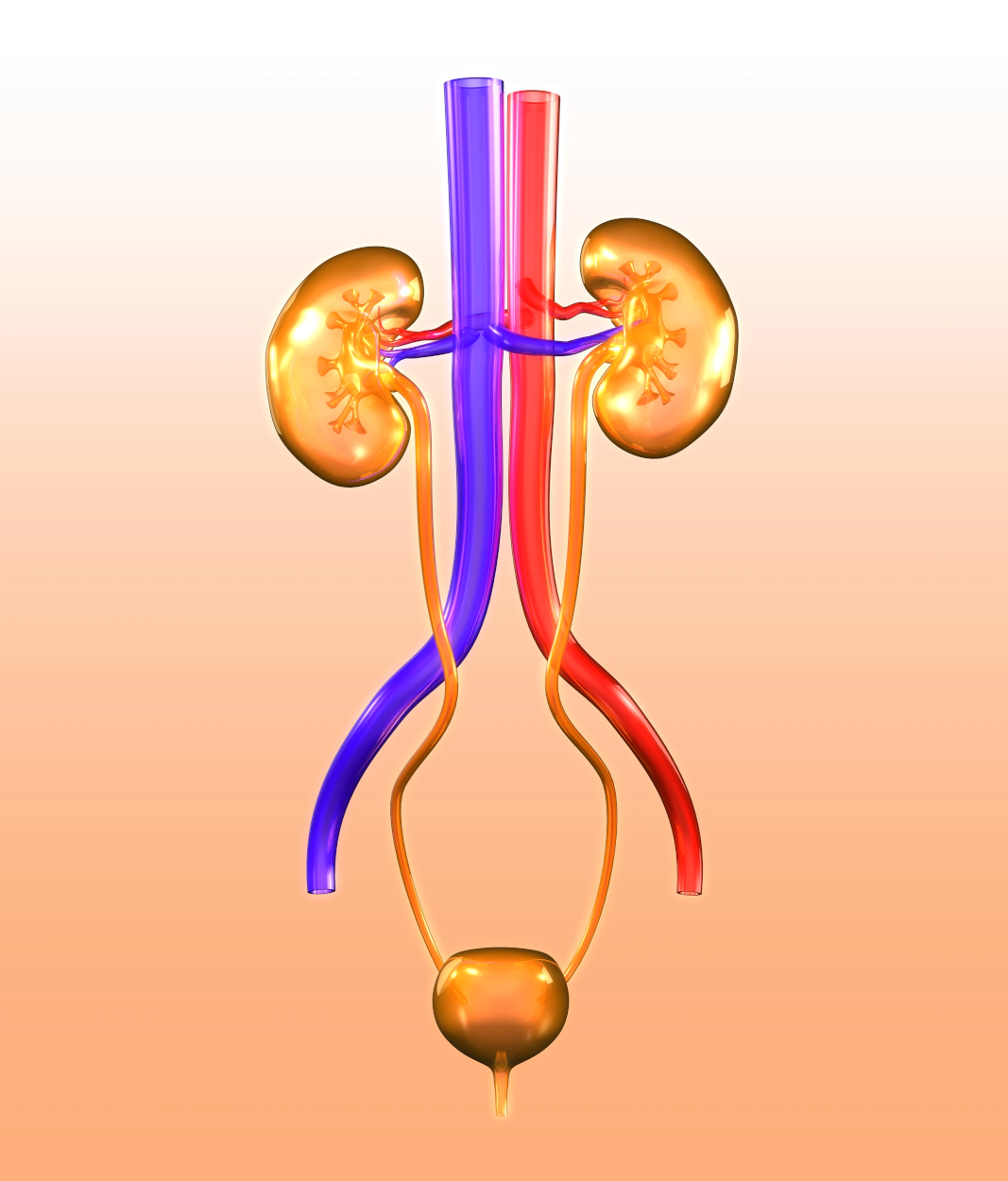
A urinary tract infection is an infection involving part of the urinary system, most often the bladder. Many people use the term UTI to describe what is technically a bladder infection, which can cause burning, urgency, frequency, and lower abdominal discomfort.
While some cases are straightforward, not every episode of urinary discomfort is caused by a UTI. In some women, similar symptoms may be related to vaginal irritation, vaginal infection, hormonal changes, or certain sexually transmitted infections. That is one reason proper evaluation matters.
Common Symptoms
Symptoms can vary, but often include:
- Burning or discomfort with urination
- Frequent or urgent need to urinate
- Passing small amounts of urine more often than usual
- Pelvic pressure or lower abdominal discomfort
- Cloudy or strong-smelling urine
If symptoms are severe, worsening, or accompanied by fever, back pain, or nausea, prompt medical evaluation is especially important.
When to Seek Care
Many women recognize the signs of a UTI, but evaluation is still important to confirm the diagnosis and guide appropriate treatment. Delaying care can allow symptoms to worsen or the infection to spread.
It’s also important to seek care if symptoms are not improving, keep returning, or feel different from prior infections.
How UTIs Are Diagnosed
Diagnosis typically begins with a discussion of symptoms and a review of medical history. A urine sample may be collected to look for signs of infection and, in some cases, sent for further testing to identify the specific bacteria involved.
This approach helps guide treatment and reduces the likelihood of unnecessary or ineffective antibiotics.
Treatment Options
Treatment depends on the underlying cause of symptoms. When a UTI is confirmed or strongly suspected, antibiotics may be prescribed. The choice of medication and duration of treatment are based on individual factors and clinical judgment.
Supportive care may also be recommended to help manage discomfort while symptoms improve.
Recurrent UTIs in Women
Some women experience UTIs more frequently. In these cases, further evaluation may be helpful to understand contributing factors.
Recurrent infections can sometimes be related to hormonal changes, anatomy, sexual activity, or other underlying conditions. A more individualized approach may help reduce recurrence and improve long-term comfort.
When It Might Not Be a UTI
Not all urinary symptoms are caused by a urinary tract infection. Conditions such as vaginal infections, irritation, or sexually transmitted infections can present with similar symptoms.
If testing does not support a UTI diagnosis, further evaluation may be recommended to identify the correct cause and guide appropriate treatment.
Why Choose Gwynn Patterson, M.D., FACOG for UTI Care?
Urinary symptoms can feel urgent, but they are not always straightforward. At the office of Gwynn Patterson, M.D., FACOG, care is guided by medical evaluation, not assumptions.
Patients benefit from:
- Physician-directed care focused on women’s health
- Careful evaluation of symptoms before treatment
- Consideration of related conditions that may mimic a UTI
- A more personalized approach, especially for recurrent infections
- Same-day or next-day appointments often available
Rather than simply treating symptoms in isolation, the goal is to identify the underlying cause and provide appropriate, comprehensive women’s health care